Slab leak soaking the flooring from below
We extract the water, dry the slab and flooring, and use a moisture meter to confirm the slab is dry before we pull equipment. We tell you what the plumber needs to repair so the leak stops at the source.
When water is rising in your hallway, you need Flood Water Removal in Arizona that answers the phone at 2 a.m. Our IICRC-trained crews pull standing water, dry the structure and log every reading for your claim. From monsoon flooding in Phoenix to a burst pipe in Flagstaff, we cover the whole state with truck-mounted extraction and same-day dispatch.
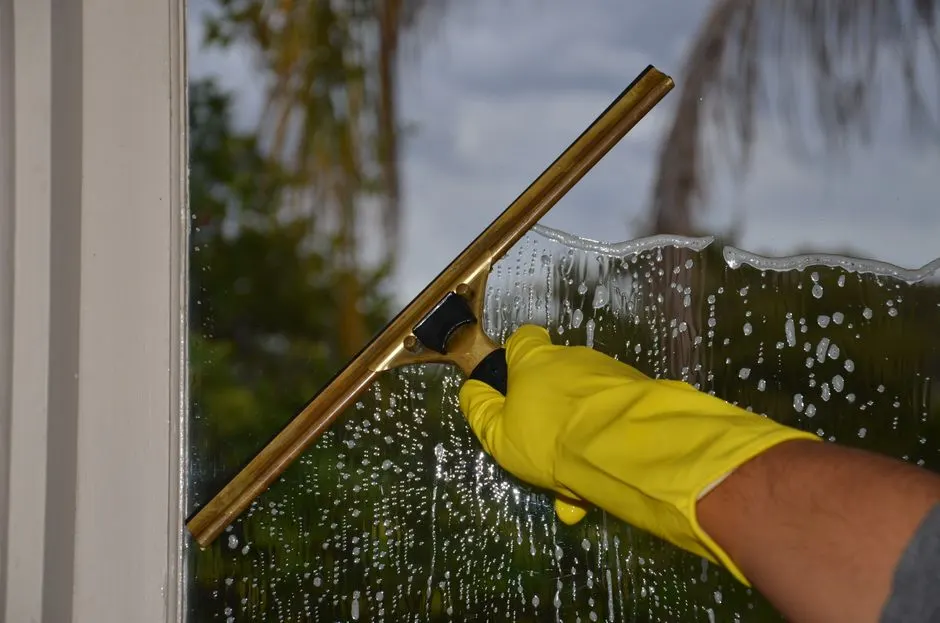
Flood Water Removal in Arizona is the process of extracting standing water from a structure, then drying the framing, drywall, flooring and insulation until moisture readings return to normal. It is not one machine and a fan. We start with a moisture meter and a thermal imaging camera to map how far the water traveled, then pull it out with a truck-mounted water extractor, a submersible pump for deep pools, or a portable extraction unit in tight spaces.
Arizona properties flood for reasons that have nothing to do with a river. A slab leak under a Saltillo tile floor, an AC condensate overflow in July, a water heater leak the night before Thanksgiving, a monsoon cell that dumps two inches in forty minutes. If you are searching for emergency flood water extraction Arizona homeowners can actually reach, that is the call we take. We handle the water, then we help you prove what happened.
Every job starts with an inspection and ends with a written moisture summary. What happens in between depends on your water source and how far it traveled. Here is what is standard on a Flood Water Removal call, and where the scope can grow.
A live person answers the phone any hour, any day. We triage the source, walk you through shutting off the water or power if needed, and dispatch the closest crew with a realistic arrival window.
We use a moisture meter and thermal imaging camera to find water you cannot see, including in wall cavities, under flooring and inside the ceiling assembly. You get a plain-English map of what is wet.
Truck-mounted water extractors for carpet and pad, submersible pumps for deep standing water, portable extraction units for tight spaces. We pull the water out, not just off the surface.
Air movers and dehumidifiers placed based on readings, not guesswork. We return every day or two to log moisture levels and adjust placement until the structure hits a dry standard.
Photos, moisture logs, equipment records and cause-of-loss notes formatted for your adjuster. This is the package that keeps your claim moving instead of sitting in a queue.
We tell you what caused the water, whether that is a failed shut-off valve, a cracked PEX piping run, a clogged condensate drain line or a sump pump that never kicked on, so you can get it repaired.
You call, we answer. We ask where the water is coming from, how deep it is and whether the power is safe. If the source is still running, we walk you through shutting the supply valve or the breaker. A crew is dispatched while we are still on the phone, usually arriving within the hour in metro areas.
On arrival we shut off what needs shutting off, then walk the structure with a moisture meter and thermal imaging camera. We check the ceiling, the wall cavities, the baseboards and the slab edge. You get a plain-English rundown of what is wet, what is not, and what the plan is.
Standing water comes out first. A submersible pump handles deep water in a basement or garage, then a truck-mounted extractor pulls the rest from carpet, pad and hard flooring. In tight closets or under cabinets we switch to a portable extraction unit. Most homes are pumped dry in two to four hours.
We set air movers and dehumidifiers to dry the structure, not just the surface. Every day or two we return to log moisture readings and adjust equipment placement. Typical dry-down runs three to five days depending on materials, humidity and how long the water sat before you called.
When readings match a dry standard for the material, we pull the equipment and give you a written summary with before-and-after numbers. If any material needs replacement, we tell you before we leave so you can plan. No surprise invoices, no mystery line items.
Purpose-built equipment, used by trained technicians — so the job is done accurately the first time.
Pulls hundreds of gallons fast from carpet, pad and hard flooring. This is the workhorse on most residential jobs and the reason we can clear a room in hours instead of days.
Handles deep standing water in basements, garages and low rooms where an extractor cannot reach. We pair it with a sump pump hose to move water outside quickly.
Gets into tight closets, under cabinets and up staircases where a truck mount cannot reach. Same extraction power in a smaller footprint.
Finds water you cannot see in wall cavities, under flooring and inside ceiling assemblies. Every drying decision we make starts with a reading from these two tools.
Move air across wet surfaces and pull moisture out of the air so materials dry from the inside out. Placement is based on readings, not guesswork.
Cleans up residual water and debris after extraction, including in corners and along baseboards where a larger machine cannot fit.
Locates hidden supply line leaks behind walls and under slabs so we can tell you where the water is coming from, not just where it pooled.
A 15-year-old water heater let go overnight in a Youngtown rental. The closet, hallway and two bedrooms were under an inch of water, and the carpet pad was saturated. The tenant called at 6 a.m. on a Sunday.
We extracted 180 gallons, pulled the wet pad, and set 12 air movers and 3 dehumidifiers. Moisture readings dropped from 28% to 11% in four days. The drywall and baseboards were saved; only the pad was replaced.
A monsoon cell dropped 1.8 inches in 45 minutes and pushed water under the back door of a Tucson Estates home. The family room carpet, pad and the bottom 12 inches of drywall were soaked. The homeowner called at 9 p.m.
We pumped the standing water, extracted the carpet, and dried the walls with 8 air movers and 2 dehumidifiers. Readings hit dry standard in three days. The carpet was saved; the pad and 12 inches of drywall were replaced.
A root intrusion in the main line backed sewage into a ground-floor bathroom and hallway of a Phoenix duplex. The water was category 3, and the tenant had already tracked it into two adjacent rooms by the time we arrived.
We extracted, removed 40 square feet of contaminated drywall and the affected flooring, and disinfected the space to code. Drying took four days. The documentation package went to the landlord's carrier the same week.
Water damage in Arizona rarely comes from a river. It comes from a pipe, a pan, a pump or a monsoon cell. Here are the calls we take most often and what we do about them.
Ask a pro →We extract the water, dry the slab and flooring, and use a moisture meter to confirm the slab is dry before we pull equipment. We tell you what the plumber needs to repair so the leak stops at the source.
We pump the standing water with a submersible pump, extract from carpet and pad, and dry the walls and framing. We check the exterior grade and door sweeps so you know where the water got in.
We extract, remove contaminated material, and disinfect the space to code. We treat sewage as the health hazard it is, and we document the loss for your claim.
We extract the water, dry the affected materials, and clear the drain line so the pan stops overflowing. We also check the shut-off valve and pan condition while we are there.
“Our water heater let go on a Saturday night and the closet was ankle-deep by morning. They answered on the second ring, had a truck here in under an hour, and pulled the water out before lunch. The drying log they gave us made the insurance claim painless. Four days later the moisture readings were back to normal.”
Marcus T.Homeowner, Youngtown
✓ Verified“Monsoon rain came through a bad roof flashing and soaked our ceiling and hallway. They extracted the water, set air movers, and checked the attic with a thermal camera. Turned out the insulation was wet too. They caught it early and we avoided a mold problem. Honest about what needed replacing and what did not.”
Danielle R.Homeowner, Tucson Estates
✓ Verified“We manage a small portfolio and have used them on three sewage backups and a slab leak. They show up when they say they will, they document everything, and the pricing is straight. The crew knows the difference between category 2 and category 3 water without being told. That is rare in this market.”
Ray P.Property Manager, Phoenix
✓ VerifiedMost residential jobs in Arizona run $1,200 to $4,500 in 2026, with small single-room extractions starting around $500 and large multi-room or sewage jobs running higher. Square footage, water category, how many days of drying and whether flooring has to come up drive the number. We quote the scope before we start so you know what you are approving.
Call a licensed water restoration company that answers 24/7 and works to the ANSI/IICRC S500 standard. You can reach AZ Water Remover Pros at (833) 640-1438 any hour. If the water is still running, shut off the supply valve first. If it is a sewage backup or the water is near outlets, kill the breaker before anyone wades in.
Extraction itself usually takes two to four hours for a typical home. The full dry-down runs three to five days, and longer if the water sat before you called or the structure has dense materials like tile over a slab. We log moisture readings every visit and pull equipment only when the numbers say the structure is dry.
Most Arizona homeowners policies cover sudden and accidental water damage, like a burst pipe, water heater leak or AC condensate overflow. Groundwater flooding from a monsoon is usually excluded and needs a separate flood policy. We document the cause of loss, photograph everything and provide moisture logs so your adjuster has what they need to process the claim.
We deliver Flood Water Removal in Arizona statewide, from the West Valley to the northern tribal lands and the southern border corridor. Crews stage out of Phoenix, Tucson, Yuma, Flagstaff and Prescott Valley, so drive times stay short whether you are in Youngtown or Kayenta. If you need Arizona flood cleanup and want a real arrival window, call (833) 640-1438.
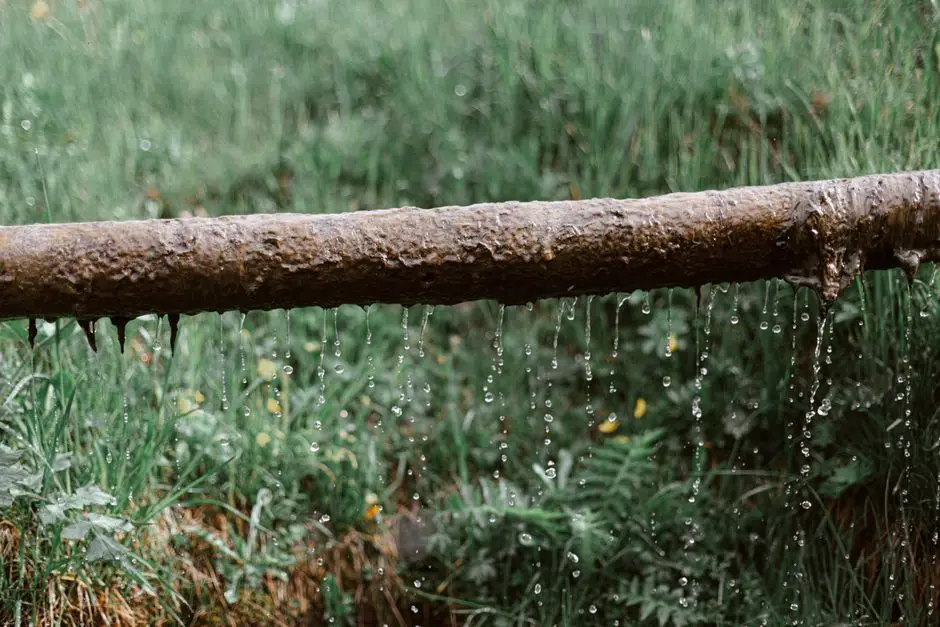 Slab Leak Water RemovalA slab leak pushes water up through the foundation and into your flooring before you ever see a puddle. We extract the water, dry the slab and flooring, and help you get the line repaired so the same spot does not flood twice.Explore →
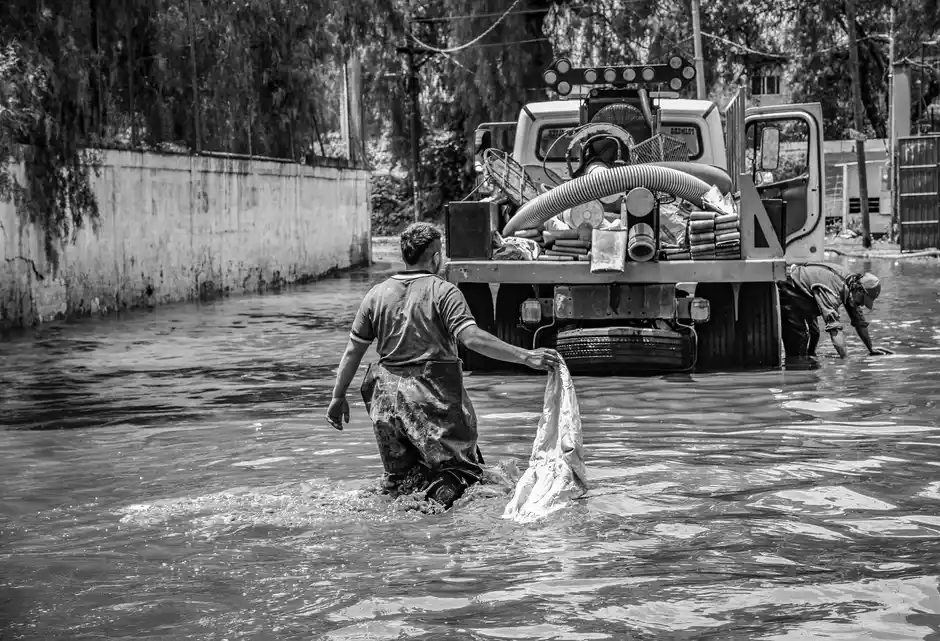 Basement Water RemovalArizona basements fill fast during monsoon season and when a sump pump fails. We pump the standing water, extract from carpet and pad, and dry the block walls and framing so you are not fighting mold growth a week later.Explore →
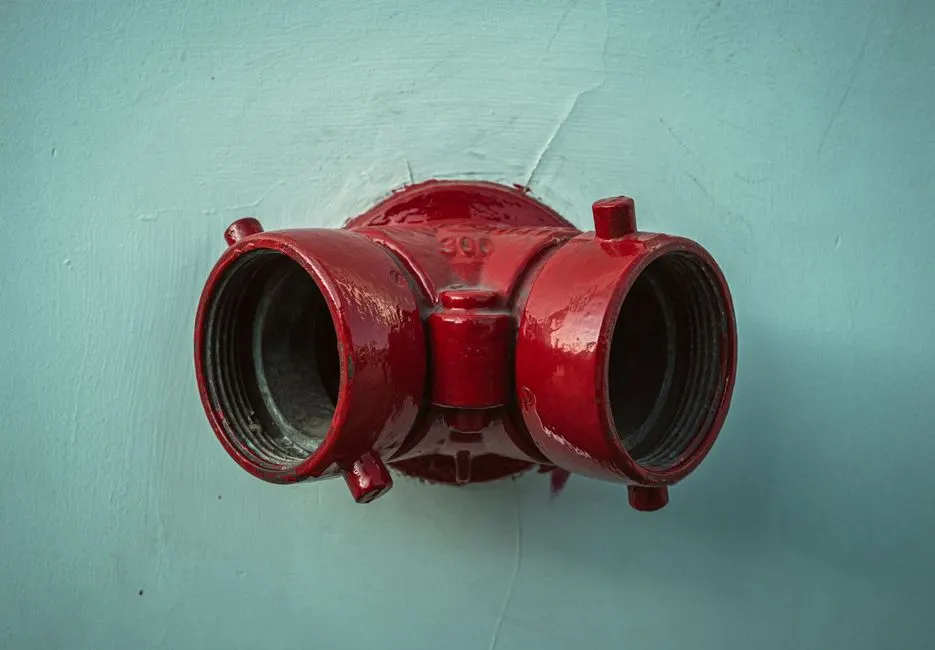 Burst Pipe Water RemovalA burst copper pipe or failed PEX piping run can dump hundreds of gallons before you notice. We shut down the source, extract from every affected room, and dry the wall cavities so the repair can start on a dry structure.Explore →
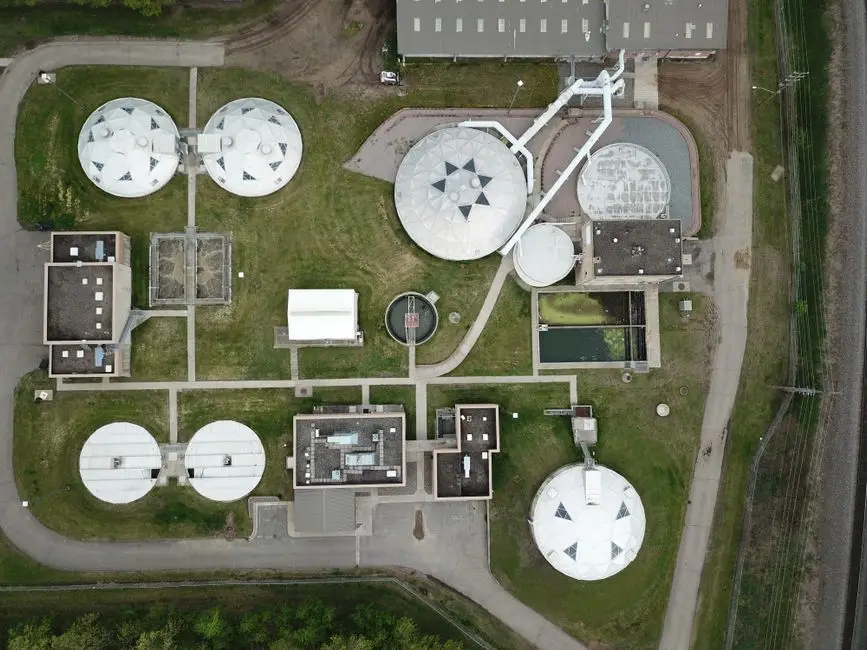 Sewage Water RemovalA sewage backup is a category 3 loss and needs more than a wet vac. We extract, remove contaminated material, and disinfect the space to code. This is the job you do not want to handle yourself, and we treat it that way.Explore →
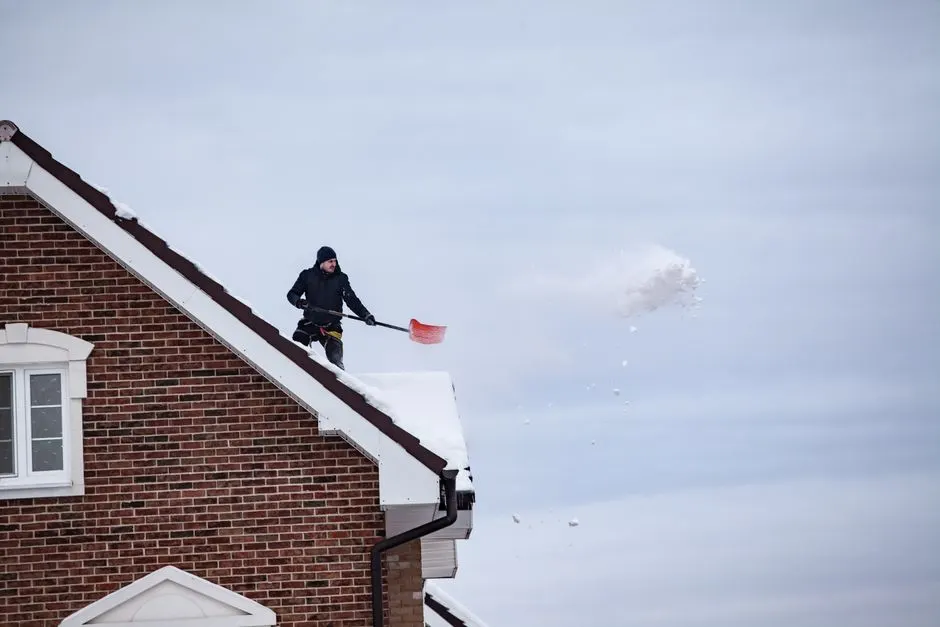 Roof Leak Water RemovalMonsoon wind drives rain under shingles and through flashing, and the water shows up in your ceiling hours later. We extract, dry the attic and ceiling assembly, and tell you what the roofer needs to fix before the next storm.Explore →
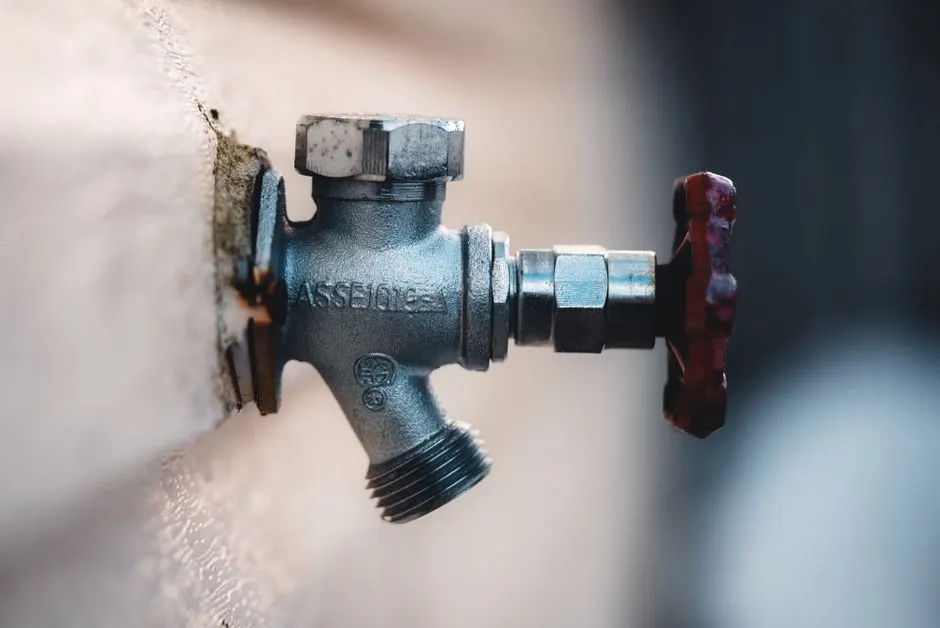 Water Heater Leak Water RemovalA Rheem or A.O. Smith tank that lets go in the garage or closet soaks drywall, baseboards and stored belongings. We extract the water, dry the surrounding structure, and check the water heater drain pan and shut-off valve while we are there.Explore →
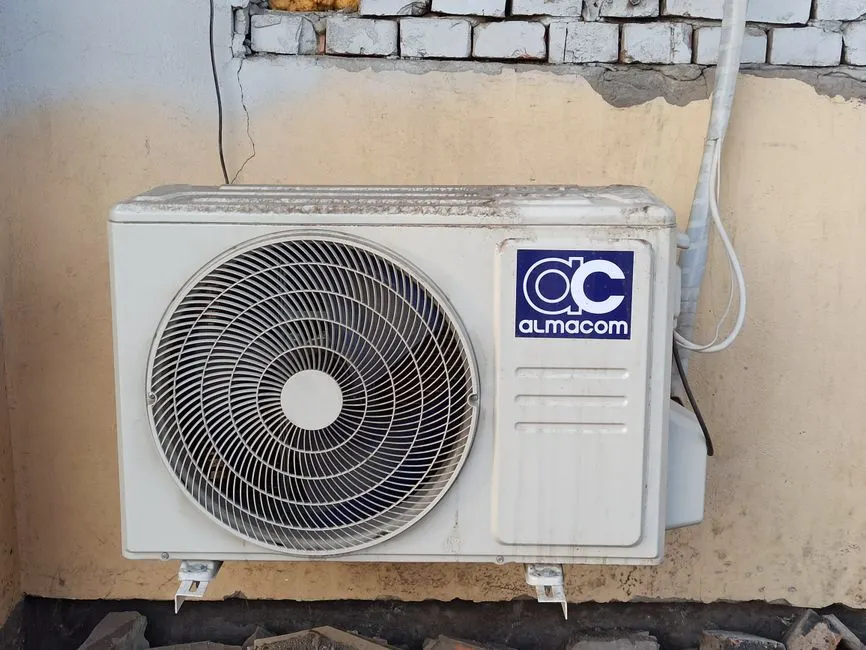 AC Condensate Water RemovalA clogged condensate drain line in a Phoenix summer can soak a closet, hallway or ceiling in a single afternoon. We extract the water, dry the affected materials, and clear the line so the pan stops overflowing.Explore →
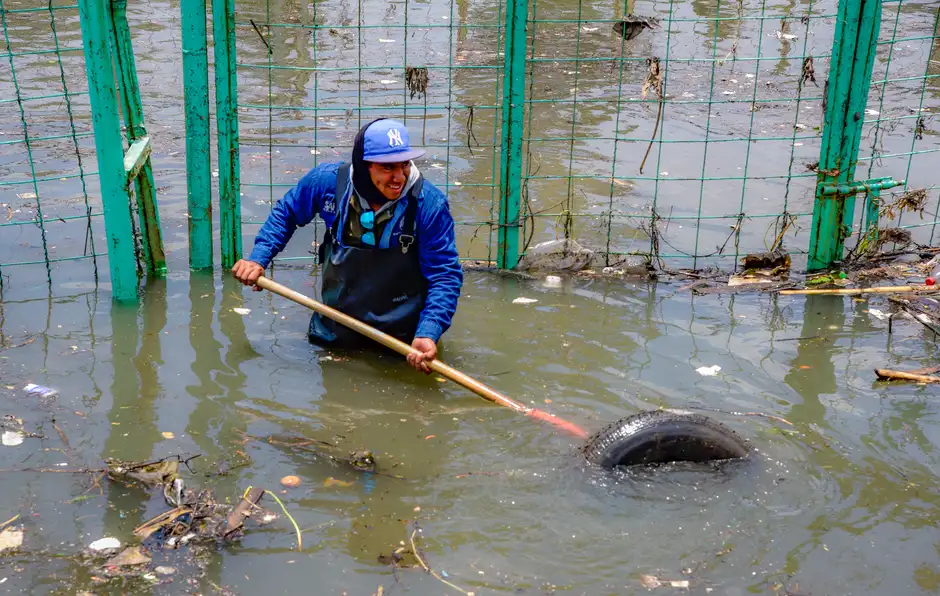 Standing Water RemovalStanding water in a garage, patio or low room is a mosquito and mold problem waiting to happen. We pump it out with a submersible pump, extract the residual, and dry the surface so it does not come back.Explore →
We answer 24/7, dispatch the closest crew, and quote the scope before we start. Licensed, insured, and 17 years on Arizona water damage. Call (833) 640-1438 and we will tell you exactly when we will be there.
Call now (833) 640-1438 →Call (833) 640-1438 any hour of the day or night and you reach a live dispatcher, not a machine. We ask what happened, how much water you see, and whether the source is shut off, then dispatch the nearest crew. Most Phoenix and Tucson calls get a technician on site within 60 minutes.