Sagging ceiling bulge from trapped water
We drill a controlled drain hole, extract the trapped water with a portable extraction unit, and dry the cavity. Most bulges can be saved if we get there within 24 to 48 hours.
Ceiling Water Removal in Arizona is what we do every day, from Phoenix-area slab ranches to Flagstaff snow-load ceilings. If you have a sagging drywall bulge, a brown water ring, or water dripping past a light fixture, we pull the water out, dry the structure, and document everything your insurer needs. Crews are on call 24/7 across the state, and we answer the phone when your ceiling is dripping at 2 a.m.
Ceiling Water Removal in Arizona is the process of stopping the water source, extracting trapped water from ceiling cavities and insulation, and drying the drywall, joists and attic decking before mold sets in. Water hides above the ceiling plane, so we use a moisture meter and a thermal imaging camera to map the wet zone, then a truck-mounted water extractor or portable extraction unit to pull standing water through small access holes. From there, air movers and a dehumidifier run until readings match a dry standard set by the ANSI/IICRC S500 Standard.
Most Arizona ceilings get wet three ways: an AC condensate drain line that clogs in July, a monsoon-driven roof leak, or a burst PEX piping line in a winter freeze up north. Each one behaves differently. A monsoon ceiling leak in Arizona usually soaks a wide, shallow area of attic insulation, while a slab leak or water heater leak above a closet concentrates water in one spot until the drywall sags. Call us before you poke holes yourself, because where you cut determines how fast the ceiling dries.
Every ceiling job starts with the same core scope: stop the water, extract what is trapped, dry the structure, and document the result. Source repair, drywall patching and painting are quoted separately because they vary by job. Here is what is standard on every call.
We trace the leak with a thermal imaging camera and moisture meter, then shut off the water at the source. That includes clearing a clogged condensate drain line, closing a failed shut-off valve, or tarping a roof breach before extraction begins.
Standing water above the ceiling plane gets pulled with a truck-mounted water extractor, a portable extraction unit for tight attics, or a submersible pump for larger volumes. We drill small access holes sized to the wet zone, not the whole ceiling.
Air movers and a dehumidifier are sized to the cubic footage of the wet cavity and placed to move air across the wet drywall and joists. A typical bedroom ceiling runs three air movers and one LGR dehumidifier for 3 to 5 days.
A technician returns each day to log moisture meter readings, check equipment, and adjust placement. You get a daily update, and we do not pull gear until readings match a dry reference area within 2 points.
Photos, moisture maps, equipment logs and a final drying report are compiled for your adjuster. The file is formatted to the standards most major carriers expect, which speeds up claim approval and reduces back-and-forth.
Before we leave, we walk the ceiling with you, show you the final meter readings, and flag any drywall patching or painting that still needs to happen. If you want us to handle the rebuild, we quote it on the spot.
You call (833) 640-1438 and reach a live dispatcher, day or night. We ask three questions: where is the water coming from, is it actively dripping, and is there a light fixture or ceiling fan in the wet zone. That tells us what to bring. A crew rolls within the hour for active leaks in the Phoenix metro, and we stage equipment for rural calls before we leave the yard.
First tech on site kills the water. If it is a burst pipe, we close the shut-off valve and tag the line. If it is an AC condensate overflow, we clear the drain line with a drain snake or swap in a new condensate drain line. If it is a roof leak, we tarp the breach. Water stops moving before we start extracting, which is the only way the dry-out actually works.
We map the wet zone with a thermal imaging camera, then drill small access holes and pull trapped water with a truck-mounted water extractor or a portable extraction unit for tight attic spaces. A submersible pump handles any standing water above the ceiling plane. Expect 45 to 90 minutes for a typical residential ceiling, longer if insulation is saturated.
We set air movers and a dehumidifier sized to the cubic footage of the wet cavity. A typical 12x12 bedroom ceiling runs three air movers and one LGR dehumidifier for 3 to 5 days. We check moisture readings daily and adjust equipment placement. You will hear the equipment running, and that is the point: moving air is what pulls water out of the drywall.
We do not pull equipment on a hunch. A final moisture meter sweep compares every affected reading to a dry reference in the same room. When readings match within 2 points, we pull gear, photograph the dry cavity, and hand you a drying report with before-and-after numbers. That report is what closes your insurance claim.
Purpose-built equipment, used by trained technicians — so the job is done accurately the first time.
Maps the wet zone behind drywall and above the ceiling plane without cutting exploratory holes. It shows us exactly where to drill access.
Reads percent moisture content in drywall, joists and insulation. We log readings daily and compare them to a dry reference area.
Pulls large volumes of standing water fast. Standard on every ceiling job where water is still pooled above the drywall.
Reaches tight attic spaces and second-story ceilings where a truck mount cannot go. Pairs with a submersible pump for deeper pools.
Move high-volume air across wet drywall and joists to accelerate evaporation. Sized to the cubic footage of the wet cavity.
Pulls moisture vapor out of the air so the ceiling cavity can actually dry. Runs continuously for 3 to 5 days on a typical job.
Traces the source of a slow ceiling leak back to a condensate line, roof flashing gap or pipe fitting. Stops the water before we dry.
A clogged AC condensate drain line dripped for three weeks before the homeowner noticed a brown ring spreading across the hallway ceiling. Moisture meter read 28 percent in the drywall, and the paper was starting to peel at the edges.
We cleared the line, drilled two access holes, and extracted 4 gallons of trapped water. Air movers and a dehumidifier ran for 4 days. Final readings matched the dry reference within 2 points, and the drywall patched with a 12-inch square.
A PEX line froze and burst above a kitchen ceiling at 11 p.m. in January. Water was dripping past a recessed light fixture when the homeowner called. The ceiling cavity held roughly 15 gallons, and insulation was fully saturated.
We shut off the main, killed the breaker, and extracted the water with a truck-mounted extractor. Saturated insulation was removed and replaced, and the cavity dried in 5 days. The light fixture was re-energized only after a dry reading.
A monsoon storm pushed rain through a roof flashing gap and soaked the ceiling over a guest bedroom. The stain showed up two days later, and the attic insulation above was wet across a 6x8 foot area.
We tarped the roof breach, extracted standing water, removed saturated insulation, and dried the attic decking and ceiling drywall to the ANSI/IICRC S500 Standard. Dry-out finished in 3 days with a full moisture log for the insurance claim.
Most ceiling calls fall into one of a handful of patterns. Here are the ones we see most often, what happens if you ignore them, and how we handle each one.
Ask a pro →We drill a controlled drain hole, extract the trapped water with a portable extraction unit, and dry the cavity. Most bulges can be saved if we get there within 24 to 48 hours.
We locate the source with an infrared leak detector, stop it, extract any trapped water, and dry the cavity. The stain itself is a paint job; the moisture behind it is the emergency.
We shut off the breaker at the panel, extract the water, and dry the ceiling and the fixture box. We do not re-energize the circuit until the cavity reads dry on a moisture meter.
We tarp the roof breach, extract standing water, remove saturated insulation where needed, and dry the attic decking and ceiling cavity to the ANSI/IICRC S500 Standard.
“Our AC condensate line clogged in July and water came through the hallway ceiling. AZ Water Remover Pros had a crew at the house in under an hour. They cut two small access holes, pulled the water, and ran air movers for four days. The drying report they gave us got the claim approved without a single question from our adjuster.”
Marisol R.Homeowner, Chandler
✓ Verified“A pipe froze and burst above our kitchen in January. Water was dripping past a light fixture when I called at 11 p.m. They walked me through shutting off the main while the crew was en route. By 1 a.m. the water was out and equipment was running. Ceiling dried in three days and you cannot tell where they cut.”
Dale K.Homeowner, Flagstaff
✓ Verified“We had a slow roof leak that stained the ceiling over our guest room for months. They found the source with a thermal camera, tarped the roof, and dried the whole cavity. Honest pricing, no upsell, and they showed me the moisture meter readings before and after. That is why I saved their number.”
Priya N.Homeowner, Green Valley
✓ VerifiedMost residential ceiling water removal jobs in Arizona run $450 to $1,800, with a typical single-room dry-out landing around $850. The cost of ceiling water removal in Arizona depends on square footage affected, whether insulation is saturated, how long the water has been sitting, and whether the source repair is included. Emergency after-hours calls add a dispatch premium. We quote before we start.
The four most common causes we see in Arizona are AC condensate drain line clogs, monsoon-driven roof leaks, burst PEX piping in winter freezes, and water heater leaks in the attic or closet above. A brown ring usually means slow, repeated moisture; a sudden bulge means active water. Either way, shut off the water and call us before you poke holes.
Yes, in most cases. Sudden and accidental discharge, like a burst pipe or a failed water heater, is typically covered. Long-term seepage or neglected maintenance usually is not. We document every job with photos and moisture readings formatted for adjusters, which gives your claim the best shot at approval. We also work direct with most major carriers.
You want a licensed Arizona Registrar of Contractors (ROC) contractor with IICRC WRT and ASD certifications. That combination means the crew is trained to the ANSI/IICRC S500 Standard and legally cleared for structural work. AZ Water Remover Pros has held those credentials since 2009 and handles both the dry-out and the drywall repair under one roof.
AZ Water Remover Pros delivers ceiling water damage cleanup Arizona-wide, from the Phoenix metro out to rural communities along I-40, I-10 and the Colorado River. Every crew carries the same equipment, the same certifications and the same documentation standards, whether the job is in a Scottsdale two-story or a Camp Verde ranch house. Here are a few of the communities we cover most often.
 Flood Water RemovalMonsoon flooding pushes water into ceilings through roof breaches and wall cavities. We extract flood water, then dry the ceiling structure to the same ANSI/IICRC S500 standard we use on every ceiling job.Explore →
 Slab Leak Water RemovalA slab leak can wick upward through walls and into ceiling drywall in multi-story homes. We locate the leak, extract the water, and dry both the slab-adjacent framing and the ceiling cavity above.Explore →
 Basement Water RemovalBasements in northern Arizona homes often share framing with the floor above. When basement water climbs, ceiling drywall above gets wet. We dry both zones in one visit.Explore →
 Burst Pipe Water RemovalA burst PEX or copper line above a ceiling dumps water fast. We shut off the line, extract from the ceiling cavity, and dry the joists before mold has a chance to take hold.Explore →
 Sewage Water RemovalSewage backups are Category 3 water and require removal of contaminated ceiling drywall. We handle the extraction, disposal and rebuild so the ceiling is safe and code-correct.Explore →
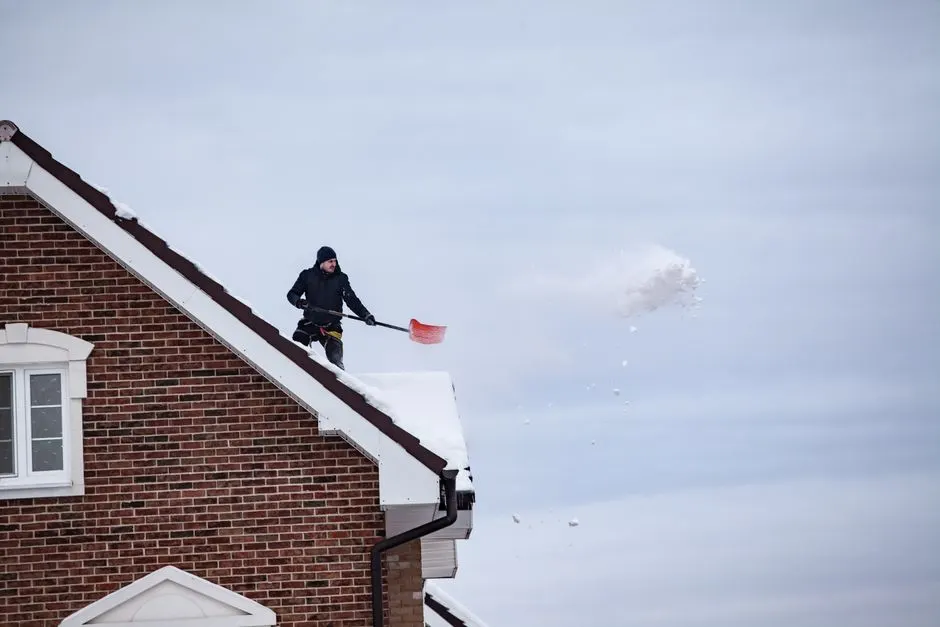 Roof Leak Water RemovalMonsoon roof leaks are the number one cause of ceiling water damage in Arizona. We tarp the breach, extract from the ceiling, and dry the attic decking and insulation.Explore →
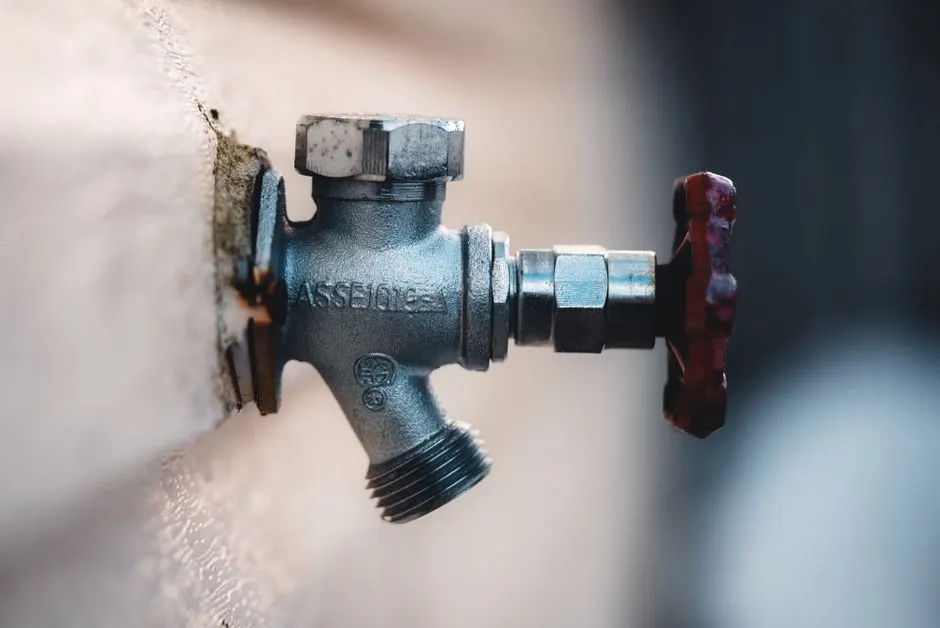 Water Heater Leak Water RemovalA failed Rheem or A.O. Smith tank in an attic closet soaks the ceiling below. We extract, dry the ceiling cavity, and document the failure for your insurance claim.Explore →
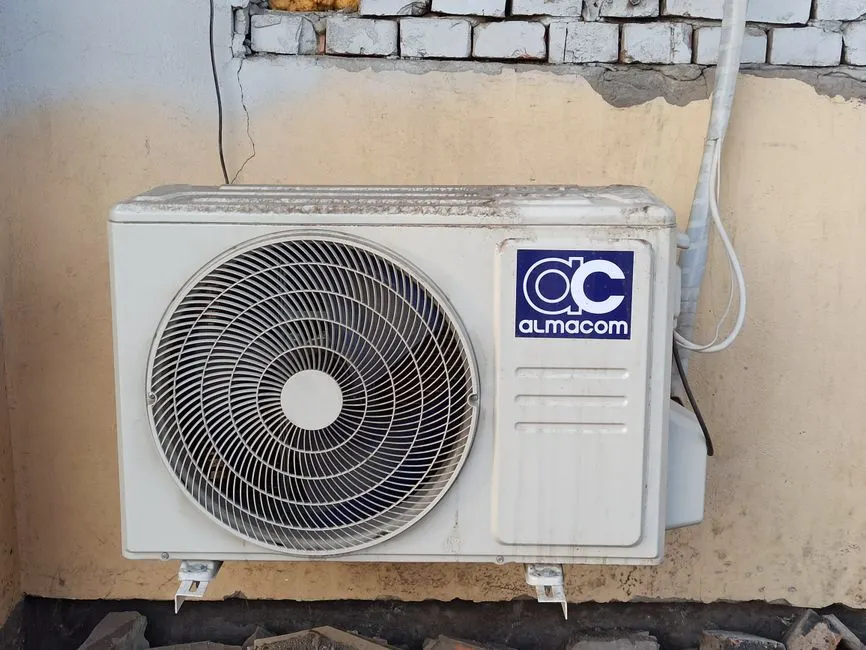 AC Condensate Water RemovalA clogged condensate drain line is the most common summer ceiling leak in Arizona. We clear the line, extract the water, and dry the ceiling before the stain spreads.Explore →
Water is moving through your ceiling right now. Every hour you wait adds mold risk and rebuild cost. Call (833) 640-1438 and a live dispatcher will book a crew, quote the job, and roll equipment to your door. Licensed, insured, and answering 24/7 across Arizona.
Get Emergency Help (833) 640-1438 →Call (833) 640-1438 any hour of the day or night and you reach a live dispatcher, not a machine. We ask what happened, how much water you see, and whether the source is shut off, then dispatch the nearest crew. Most Phoenix and Tucson calls get a technician on site within 60 minutes.